






Medical devices are no longer purely mechanical instruments limited to physical functions. Today, they actively assist healthcare professionals in their work and guide medical decision-making. The integration of electronic components, touchscreens, and software, combined with connectivity and artificial intelligence, has made them more precise, reliable, and user-friendly. Behind the data they collect and process lies one or more layers of software.
Among these, Software as a Medical Device (SaMD) holds a distinctive place. Recognized as a medical device in its own right, it is governed by a strict regulatory framework established by the FDA in the United States, Health Canada, and the European Union Medical Device Regulation (EU MDR).
Its potential to enhance healthcare delivery is already well demonstrated, and SaMD is emerging as one of the most influential trends in the MedTech industry. The global SaMD market is projected to reach $93.08 billion by 2031, up from $30.17 billion in 2023.
If your goal is to develop Software as a Medical Device, this article outlines the key aspects you should understand before getting started:
- The definition of Software as a Medical Device (SaMD)
- Common use cases and examples
- Classification based on risk
- The regulatory framework that applies
- Best practices for successful development
What is Software as a Medical Device (SaMD)?
Software as a Medical Device is standalone software intended to diagnose, treat, or prevent disease without being embedded in dedicated hardware. The International Medical Device Regulators Forum (IMDRF) defines it as an independent independent digital application or cloud-based platform that runs on smartphones, tablets, or desktop computers to serve a medical purpose.
Software is not classified as SaMD when its functions are purely administrative, such as billing or appointment scheduling, because these tasks carry no clinical intent or patient care purpose.
It is also excluded when integrated as part of a physical medical device to control core hardware functions. In that case, it may be classified as Software in a Medical Device, also known as SiMD, embedded software, firmware, or microcode.
| Software as a Medical Device | Not Software as a Medical Device |
|---|---|
| A mobile app that analyzes ECG data to detect arrhythmias and recommend medical follow-up. | Software that controls the electrical signals of a pacemaker (SiMD). |
| An AI-driven platform that reviews patient health data to propose personalized treatment options. | A hospital information system that stores patient records or billing data. |
| A cloud-based tool that predicts risk of diabetic complications based on patient-entered data. | A fitness tracker app that measures steps and calories. |
| Software that calculates radiation dose for oncology treatments. | Software embedded in a radiation therapy machine to deliver the actual treatment (SiMD). |
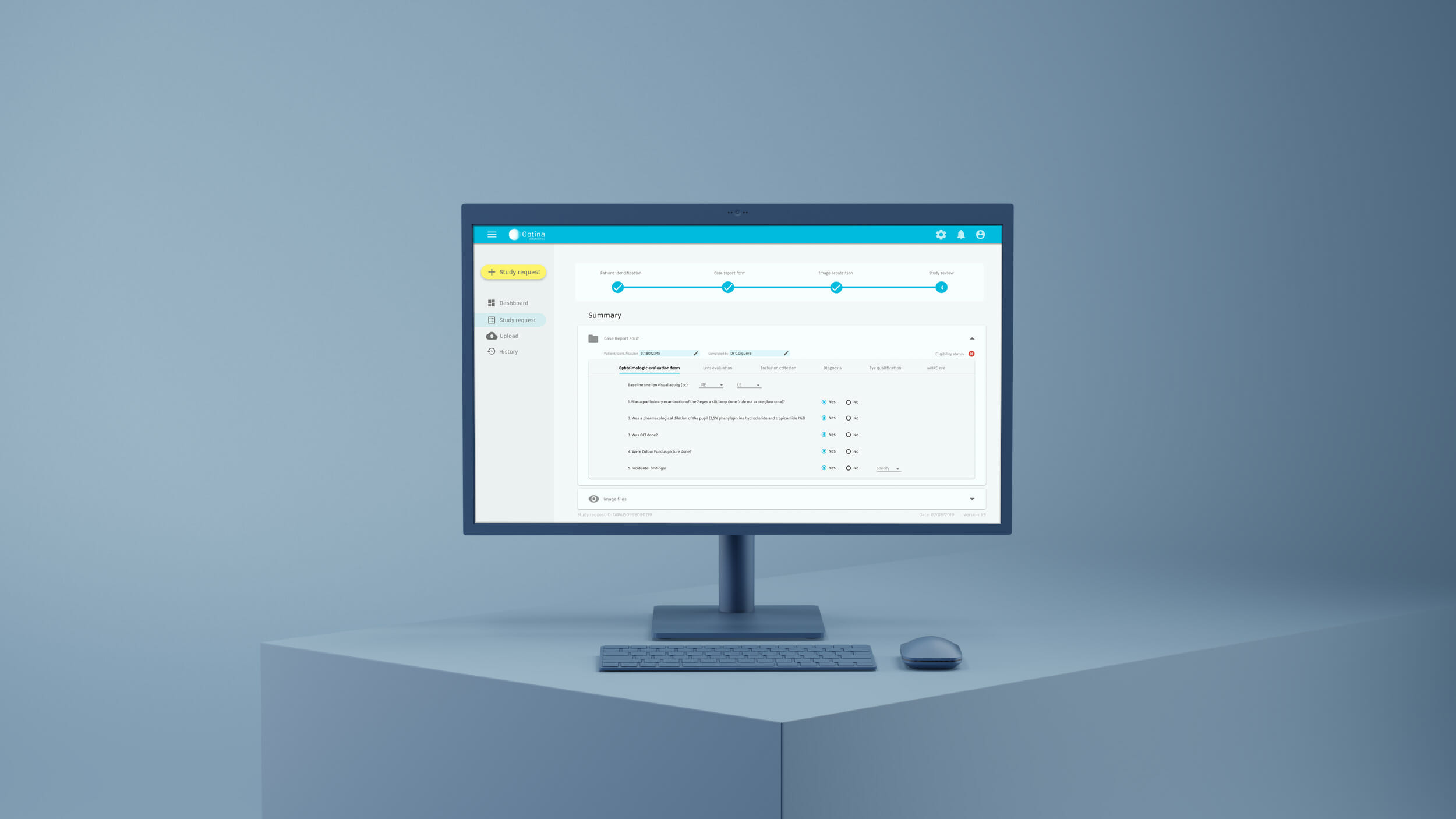
How is Software as a Medical Device (SaMD) Used in Healthcare?
Diagnosis
Treatment
Monitoring
Prevention

How Do Regulators Classify Software as a Medical Device?
Identifying the correct classification for software as a Medical Device is the first step toward market approval. Each regulatory body assigns risk-based categories that determine the specific compliance requirements a product must meet before it can be sold.
FDA Classification
- Class I includes the lowest-risk software, such as applications supporting general wellness or basic diagnostic functions. These products face general controls only.
- Class II covers moderate-risk software, such as ECG interpretation tools or insulin dose calculators. The FDA applies additional special controls to Class II devices to ensure reliability and effectiveness.
- Class III includes high-risk software that sustains or supports life, such as applications used to configure pacemakers. These devices may require premarket approval.
Health Canada Classification
- Class I includes the lowest-risk software and is generally exempt from licensing.
- Class II covers moderate-risk software, such as image viewers capable of taking measurements.
- Class III applies to high-risk software that supports critical therapeutic decision-making.
- Class IV is reserved for very high-risk software, including tools used in cancer treatment, where malfunction could have life-threatening consequences.
EU MDR Classification
- Class IIa includes software that provides information used for diagnostic or therapeutic purposes.
- Class IIb covers software where incorrect decisions could cause serious deterioration in health.
- Class III applies to software that could lead to death or irreversible health deterioration. The rule ensures that higher-risk software undergoes more rigorous conformity assessment.
What Are the Regulatory Pathways for Software as a Medical Device?
Once a software as a medical device product is classified, developers must follow the appropriate regulatory pathway to obtain market authorization. Each authority provides distinct submission routes based on the risk class of the product and its degree of novelty.
FDA Pathways
- 510(k) Premarket Notification is the most commonly used pathway for Class II devices. It requires demonstrating that the SaMD is substantially equivalent to a legally marketed predicate device, making it the preferred route for moderate-risk software such as ECG interpretation tools or decision-support applications.
- De Novo Classification applies when a novel moderate-risk device has no suitable predicate. Manufacturers can petition the FDA to establish a new regulatory classification with defined special controls, which then serves as a predicate for future 510(k) submissions.
- Premarket Approval (PMA) is required for Class III devices that sustain or support life. It is the most rigorous pathway, demanding full clinical evidence, software documentation, and risk management files. Software driving life-critical decisions, such as AI tools used in oncology or cardiac care, typically falls under this category.
Health Canada Medical Device Licence (MDL)
In Canada, software as a medical device requires a Medical Device Licence (MDL) issued by Health Canada for Class II, III, and IV devices.
The application must include safety and effectiveness evidence, a risk management summary, and quality management documentation aligned with ISO 13485. Higher-risk classes require additional clinical evidence and software documentation in line with IEC 62304.
CE Marking via Notified Body
In the European Union, software as a medical device must carry CE marking before reaching the market.
Class IIa and IIb devices require the involvement of a notified body, which reviews a technical file covering clinical evidence, risk management, and post-market surveillance plans.
Class III software undergoes a full quality assurance assessment, including review of the clinical evaluation report and design documentation, before a CE certificate is issued.
Manufacturers based outside the EU must appoint an Authorized Representative to manage regulatory obligations on their behalf.

Which Standards Apply to Software as a Medical Device Development?
IEC 62304
IEC 62304 is the primary standard for managing the life cycle of medical device software. It defines requirements related to development, maintenance, and risk control.
The standard classifies software into three safety classes based on the potential severity of harm caused by a failure.
| Class | Level of Risk |
|---|---|
| Class A | No possibility of injury or damage to the patient. |
| Class B | Potential for injury, but not severe. |
| Class C | Potential for severe harm or death. |
IEC 82304
The IEC 82304 standard applies to standalone health software, such as mobile health applications and cloud-based diagnostic platforms. It provides essential guidance that is highly relevant to SaMD developers.
Unlike IEC 62304, which focuses on the internal software development process, IEC 82304 addresses the software product as a whole.
ISO 13485
A company certified to ISO 13485 demonstrates consistent practices and earns greater confidence from regulatory authorities and customers alike.
ISO 14971
ISO 14971 is the global reference for risk management in medical devices, including software. It requires identifying hazards associated with software use, such as algorithm errors, cybersecurity vulnerabilities, or data misinterpretation, and assessing their severity and likelihood of occurrence.
| Standard | Scope | Impact on Medical Device Software |
|---|---|---|
| IEC 62304 | Software life cycle | Defines development, testing, and maintenance requirements. |
| IEC 82304 | Standalone health software | Ensures safety, reliability, usability, and cybersecurity. |
| ISO 13485 | Quality management system | Embeds software into organizational QMS practices. |
| ISO 14971 | Risk management | Identifies, evaluates, and mitigates software-related hazards. |

5 Best Practices for Successful Software as a Medical Device Development
Define and Document Requirements
Integrate Risk Management from The Beginning
Follow a Structured and Compliant Life Cycle
Design for Maintainability
Build Cybersecurity into Every Layer
Our experts always got your back
With extensive cross-industry experience, we’re always ready to tackle medical device software development complexities and propel your success.